These (not 12th C) Lewis Chessmen were fake and ‘appeared’ on the Isle of Lewis in 1831 at the time of the Highland Clearances.


They were the harbingers and calling card of a secret group intent on Scottish genocide.

Templar Knights playing chess like they have always done…

Knights Templar playing Chess – 1283AD
Biblioteca del Monasterio de El Escorial, ms T. I 6, fol. 25. Patrimonio Nacional, Spain. |

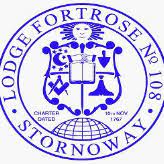
Masonic Lodge – Fortrose 108, Stornoway, Isle of Lewis

Lodge Fortrose No 108 records go all the way back to 1767; 22 years after the Bonnie Prince Charlie Jacobite uprising.
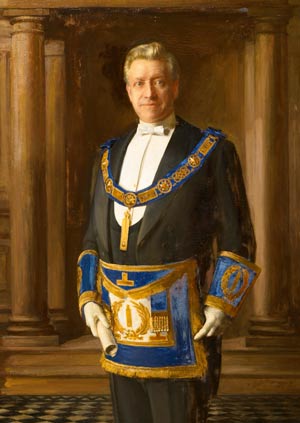
1842 – 1918 The owners of the Isle of Lewis – the malevolent Mathesons?
Jardine, Matheson & Co., was a Far Eastern company founded in 1832 by Scotsmen William Jardine and James Matheson as senior partners. Trafficking opium in Asia, while also trading cotton, tea, silk and a variety of other goods, from its early beginnings in Canton (modern day Guangzhou), in 1844 the firm established its head office in the new British colony of Hong Kong then proceeded to expand all along the China Coast.
By the end of the nineteenth century, Jardine, Matheson & Co. had become the largest of the foreign trading companies in the Far East[ and had expanded its activities into sectors including shipping, cotton mills and railway construction.
Sir James Matheson purchased the Isle of Lewis in 1842 and continued the orchestrated dismantling and destruction of the proud Scottish Highlanders culture and way of life.
In 1918, high ranking freemason Lord Leverhulme picked up the baton and purchased the Isle of Lewis for £150,000 from the masonic Matheson family.
The crofting and fishing industries would never be the same again.
To cement his work, Lord Leverhulme would leave his very own calling card – a NINE ARCH bridge to nowhere…


In Rivington near Bolton, Lord Leverhulme built a seven arch bridge which also went nowhere – 1910.

July 1913 – Sufragette Edith Rigby burnt Lord Leverhulme’s Rivington residence down one evening whilst William was dining out with the Earl of Derby (Knight of the Garter #851) and King George V (Head Knight of the Garter #782).
Ref: https://www.theguardian.com/lifeandstyle/2017/sep/12/suffragette-who-torched-ideals-of-the-feminine
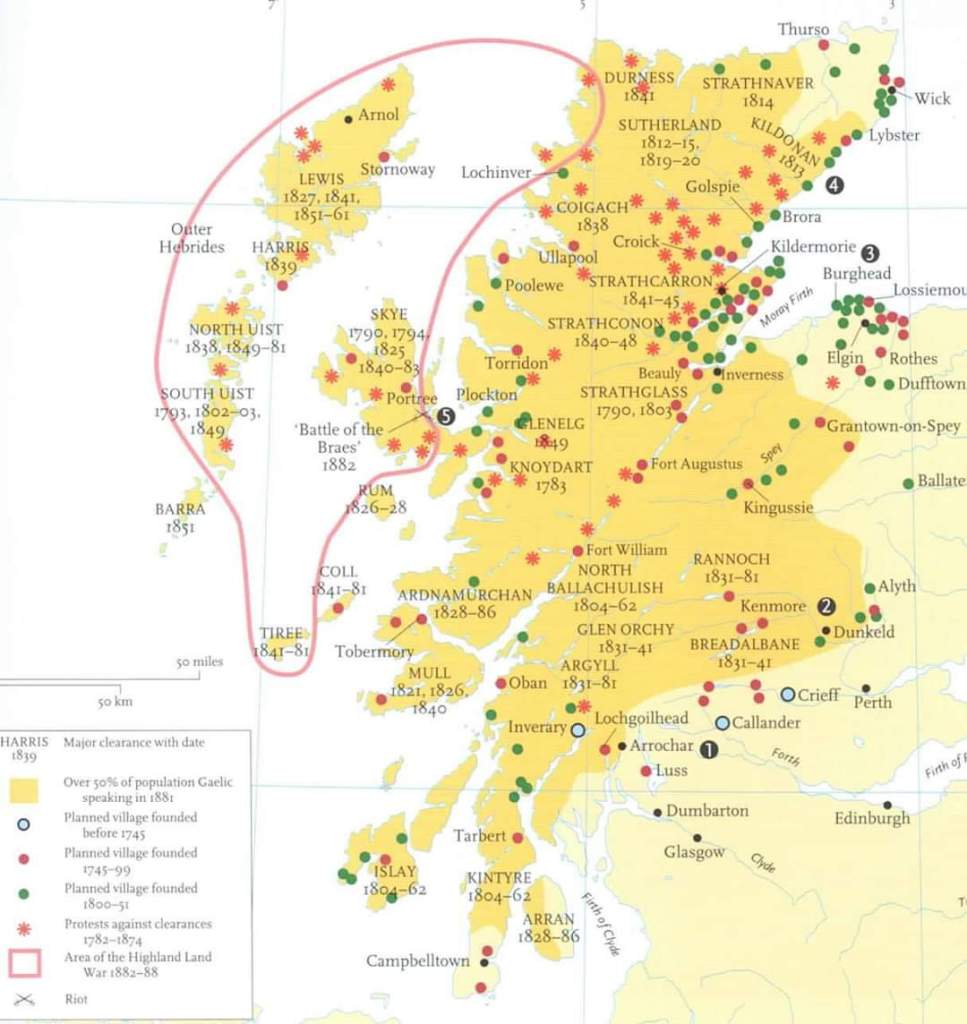
From 1827 to the present day, the native and proud Hebrideans from the Isle of Lewis have gradually been relieved of their lands and livelihoods thanks to the Highland Clearances and the dark forces of Freemasonry operating in the shadows.
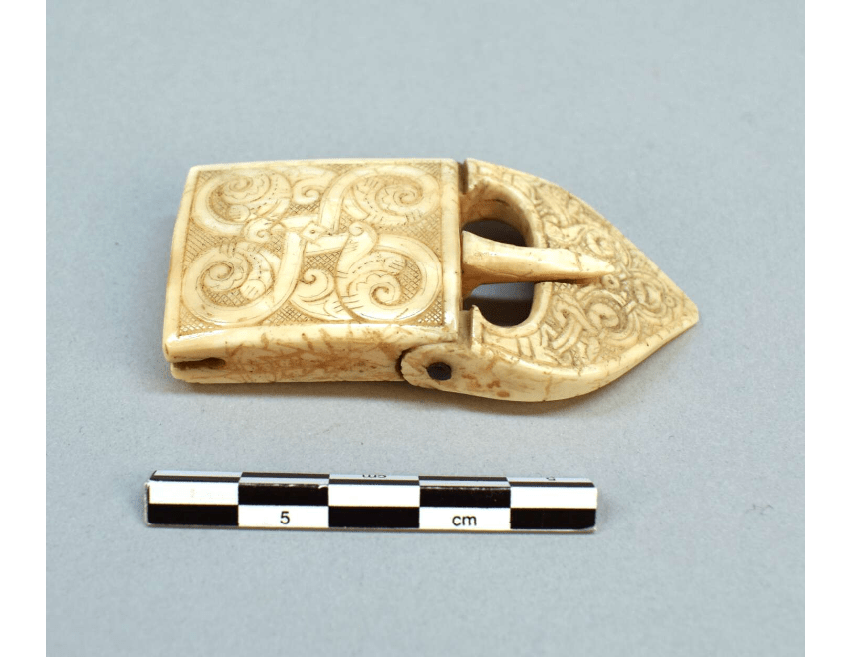
The Lewis Chessmen were accompanied by a (garter) buckle…


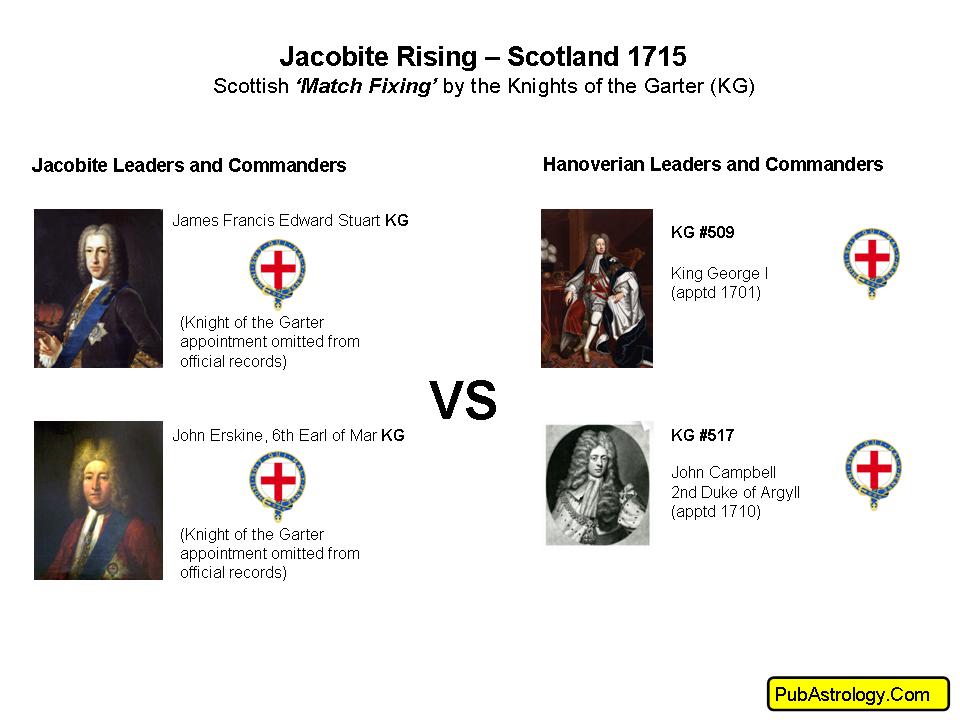


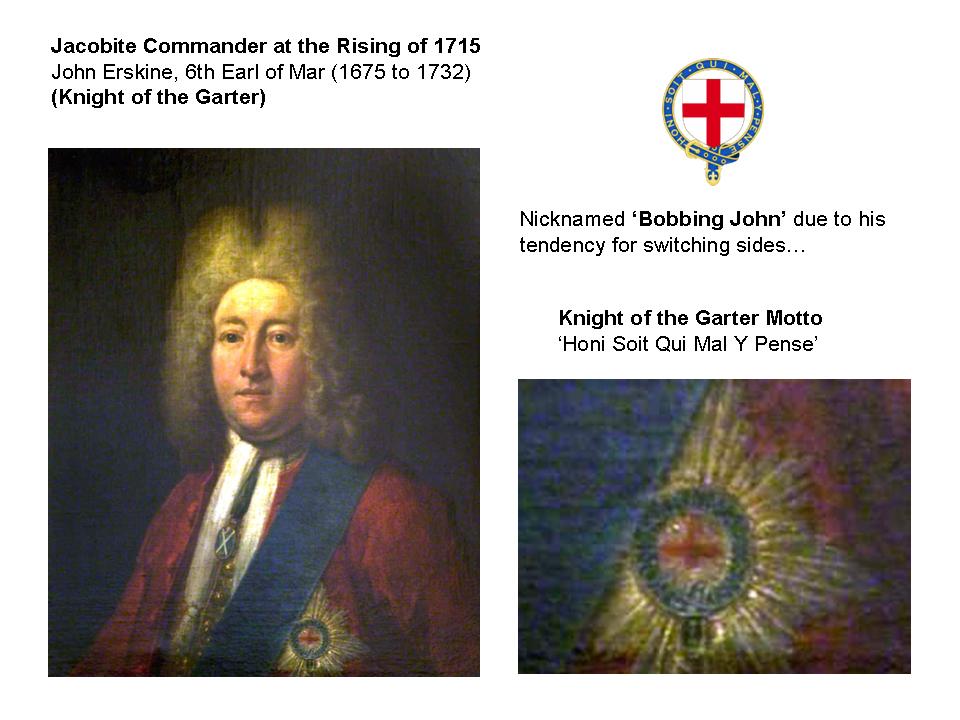


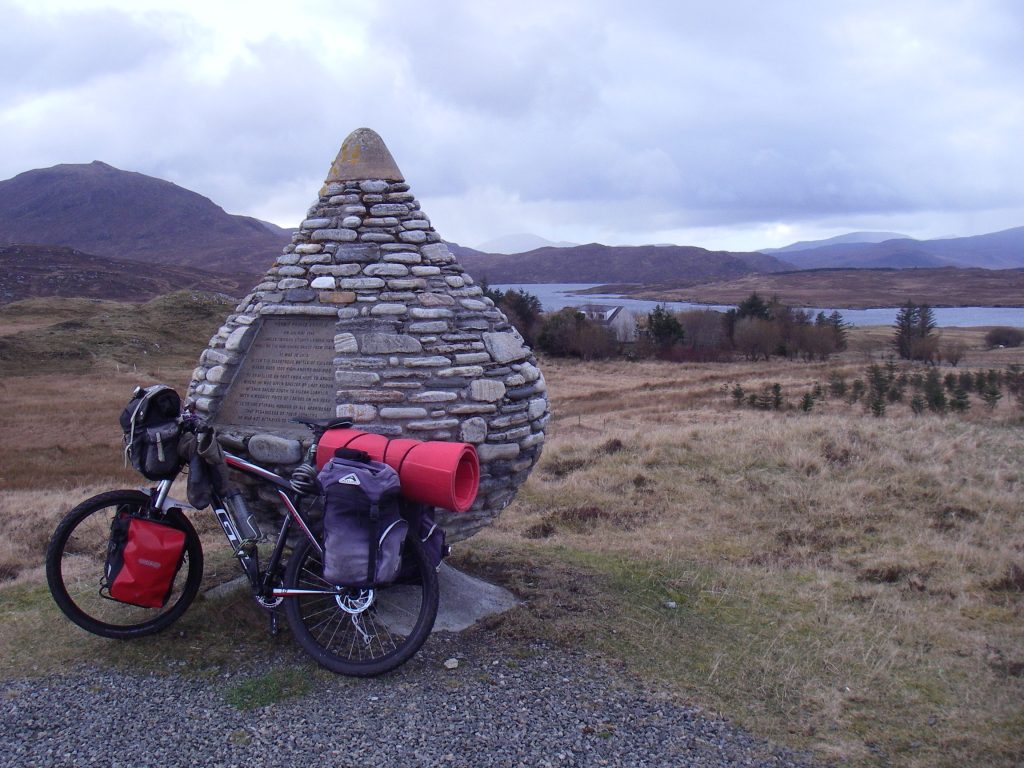
Isle of Lewis Memorial to Bonnie Prince Charlie, who landed on Lewis on the 4th May 1746


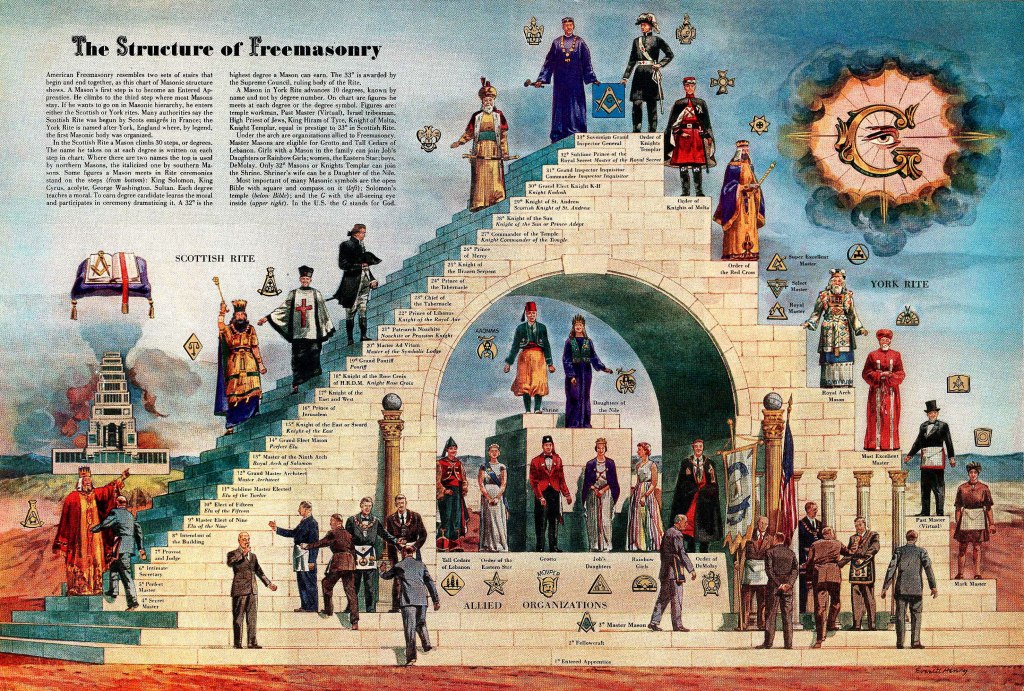
The Chess-Playing Templar Knights on the top step of the Masonic ARCH
_https://pubastrology.com/wp-content/uploads/2020/06/knights-of-the-garter-1348-to-1984-by-grace-holmes-publisher-oxley.pdf
_https://pubastrology.com/wp-content/uploads/2020/02/the-jacobite-peerage-pubd-1904.pdf
The Clonard Chess Pieces – County Meath, Ireland. Circa 1817.
Another Templar ‘calling card’?
Less well publicised, are the Clonard Chess Pieces ‘found’ in a bog in Clonard, Co. Meath, Ireland, some time before 1817. We are told these pieces originally date from the late twelfth century AD and the King is now in the National Museum of Ireland in Dublin.
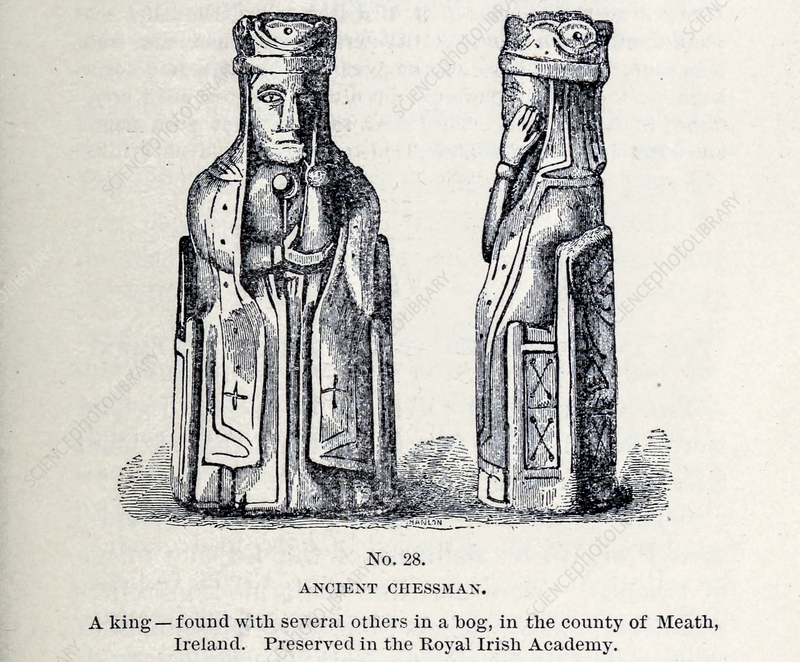
Illustration of an ancient chess piece – a king, found with several others in a bog, in the county of Meath, Ireland. Preserved in the Royal Irish Academy. From the book ‘Athletics and manly sport’ by John Boyle O’Reilly (1844-1890). Published in Boston, by Pilot publishing company in 1890.
The figure may come from the same Viking workshop tradition which produced the large group known as the Lewis Chessmen, found in the Outer Hebrides, Scotland.
What are the chances of circa 600 year old ‘Viking chess pieces’ being re-discovered in Ireland and Scotland prior to the Irish and Scottish clearances?
More likely a case of Templar Knights playing chess like they have always done…?
Malice aforethought : the intention or desire to commit a criminal act and especially murder without justification or excuse and usually with some degree of deliberation or premeditation or wanton disregard for life
The Great Famine (Ireland) (1845 – 1852)
During the Great Hunger, roughly 1 million people died and more than 1 million fled the country, causing the country’s population to fall by 20–25% (in some towns falling as much as 67%) between 1841 and 1871. Between 1845 and 1855, at least 2.1 million people left Ireland, primarily on packet ships but also on steamboats and barques—one of the greatest exoduses from a single island in history.


The King from the Clonard Chess Pieces – County Meath, Ireland. Circa 1817.
Believe it or not, the ‘official’ story is that these pieces were found in a bog in Clonard, County Meath, Ireland before 1817.


 The Spirit World - Pub Astrology